
Did you know over 6,000 historic religious buildings in the U.S. close every year? Many of these places fall into disrepair. But, a bold architectural revival is giving them new life. In Massachusetts, these sites are turning into beautiful, upscale restaurants.
Finding a unique dining experience means looking beyond usual places. Imagine sipping a hand-crafted cocktail under high ceilings or eating where choirs once sang. These converted church restaurants offer more than food; they’re a feast for the eyes.
This change has made local areas a haven for food lovers who love atmosphere. The mix of stained glass and woodwork creates unforgettable memories. These places show that old buildings can tell new stories, all while keeping the city’s history alive.
The Divine Dining Revolution: Boston’s Sacred Spaces Turn Savory
Boston’s historic religious spaces are now culinary hotspots. This change is more than just old buildings getting new uses. It’s about creating historic dining venues that offer a special experience.
These spaces, once spiritual centers, are now at the heart of Boston’s dining. They mix the city’s history with its lively Boston dining culture. This blend is both new and respectful of the past.
The trend of turning sacred spaces into restaurants and bars is growing. It’s about keeping historic buildings alive while giving them a new purpose. Diners get a memorable and Instagram-worthy experience.
Some venues keep their original architecture, like stained glass windows and pews. Others mix old and new, creating a unique atmosphere. This mix is both nostalgic and modern.
This dining experience focuses on both the ambiance and the food. For those exploring Boston’s food scene, these historic dining venues offer a peek into the city’s history. They also showcase its present and future.
Why Converted Church Restaurants Are Thriving in Boston
In Boston, a growing number of restaurants are being set up in converted churches. They attract foodies and curiosity seekers alike. This trend is not just about dining; it’s an experience that combines history, architecture, and cuisine.
The success of these converted church restaurants can be attributed to several factors. Firstly, they offer a unique ambiance that is hard to find in traditional restaurants. The original architectural features of the churches, such as stained glass windows, vaulted ceilings, and stone walls, create a distinctive atmosphere.
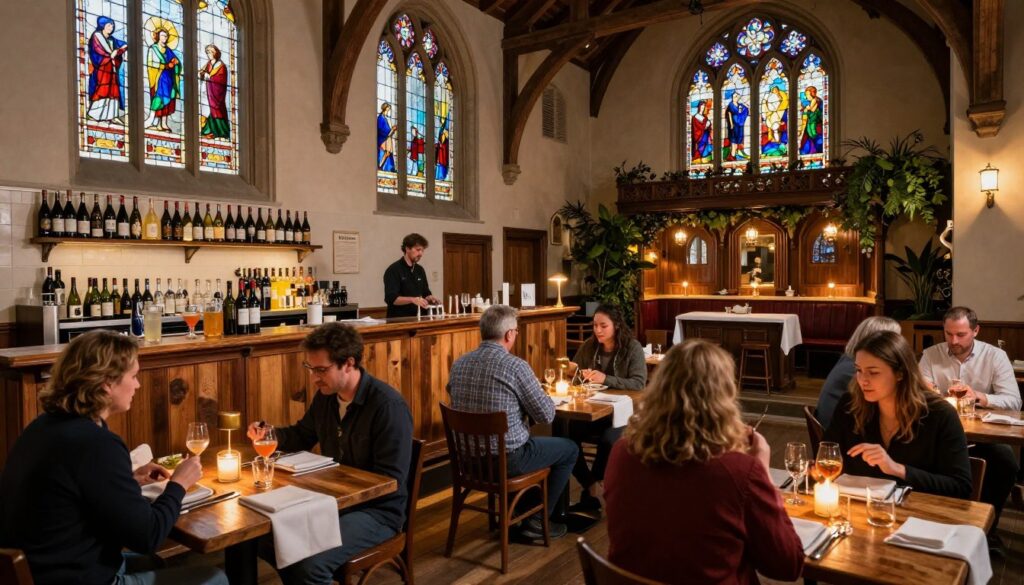
Dining in these unconventional spaces is a major draw. Patrons are treated to a culinary adventure amidst historic surroundings, making the experience memorable. The blend of old and new, where ancient church structures house modern culinary innovations, adds to the allure.
Some key reasons behind their popularity include:
- The unique and historic ambiance of the venues
- The blend of spirituality and culinary delight
- The opportunity to experience dining in a non-traditional setting
These restaurants are not just places to eat; they are destinations that offer a distinct experience from conventional dining establishments. As Boston continues to evolve, it’s clear that converted church restaurants are here to stay, offering a fascinating blend of the past and present.
Parish Cafe and Bar: A Boylston Street Icon
Parish Cafe and Bar is a hidden gem on Boylston Street. It has won the hearts of Boston locals and tourists. This place is in a historic building, showing how Boston mixes old and new.
The story of Parish Cafe and Bar is tied to Boston’s history. It was once a church, now a lively place to eat. Its retention of original features, like stunning stained glass, makes it special.
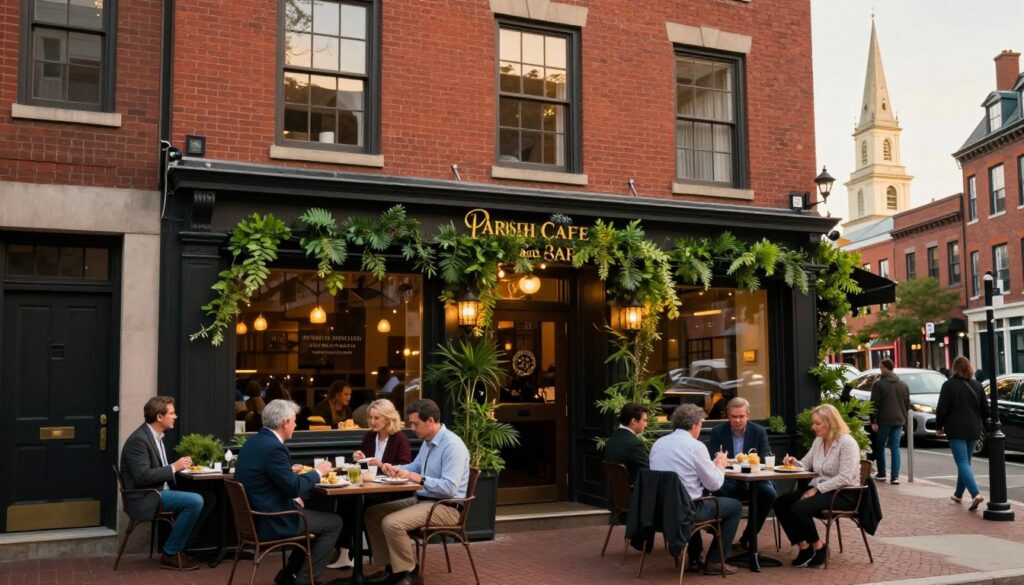
What makes Parish Cafe and Bar stand out is its focus on quality food. The menu changes with the seasons, offering something for all. Whether you’re in the mood for breakfast or dinner, they have it.
The vibe here is cozy and welcoming. It’s perfect for casual meetups or big celebrations. Its historic charm, great service, and tasty dishes make it a top spot on Boylston Street.
When you check out the best restaurants in Boston, don’t miss Parish Cafe and Bar. It’s a mix of history, architecture, and amazing food that you won’t forget.
The Merchant: Craft Cocktails in a Consecrated Building
In Boston’s lively scene, The Merchant stands out. It’s a place where old meets new. This former sacred building now serves as a top-notch cocktail bar.
Walking into The Merchant, you’ll see something special. The blend of original architectural details and modern decor is truly captivating. It’s a place where history and today’s trends come together beautifully.
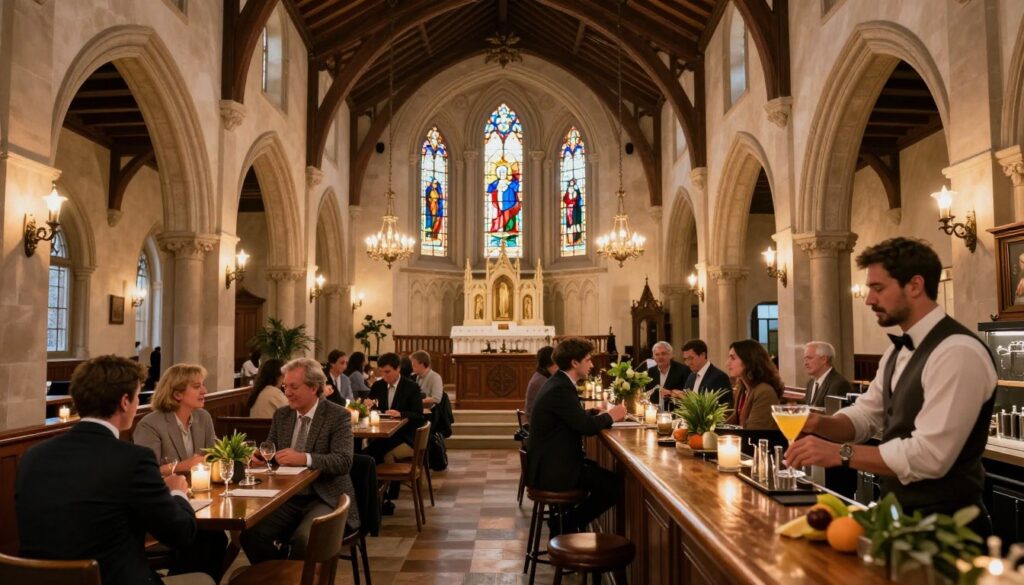
The Merchant’s cocktail menu is a highlight. It’s full of creative and tasty drinks. A local critic said, “The Merchant’s cocktails are a perfect blend of creativity and tradition, making it a must-visit destination for anyone looking for a unique night out in Boston.“
Private Events in Sacred Spaces
The Merchant is also great for private events. It’s perfect for weddings, corporate gatherings, and more. The venue’s historic charm and modern amenities make it unforgettable. The events coordinator says, “We love offering a space that’s both beautiful and full of history. It’s a unique backdrop for any event.”
The Merchant is a standout in Boston’s dining world. It combines the sacred with the modern, offering amazing cocktails and hosting events. It’s a prime example of Boston’s creative approach to dining and fun.
“The Merchant is a game-changer in Boston’s dining scene, offering an experience that is as much about the atmosphere as it is about the drinks and food.”
Boston Dining in Unique Settings: More Holy Place Restaurants
Boston’s food scene is filled with hidden gems in old holy places. These converted church restaurants serve amazing food and share the city’s history.
The idea of turning sacred spaces into restaurants is big in Boston. Small chapels and synagogues are now cozy spots for meals. It shows how Boston mixes old and new, making dining experiences unforgettable.
Smaller Chapels and Synagogues Reimagined
These small places keep their old charm, like stained glass and fancy ceilings. They now set the stage for new food ideas. It’s a cozy yet amazing place to eat.
For example, a chapel is now a snug café. Its pews are now seats, and the altar is a bar. Another spot, a synagogue, is now a fancy restaurant. Its bimah is now where chefs cook.
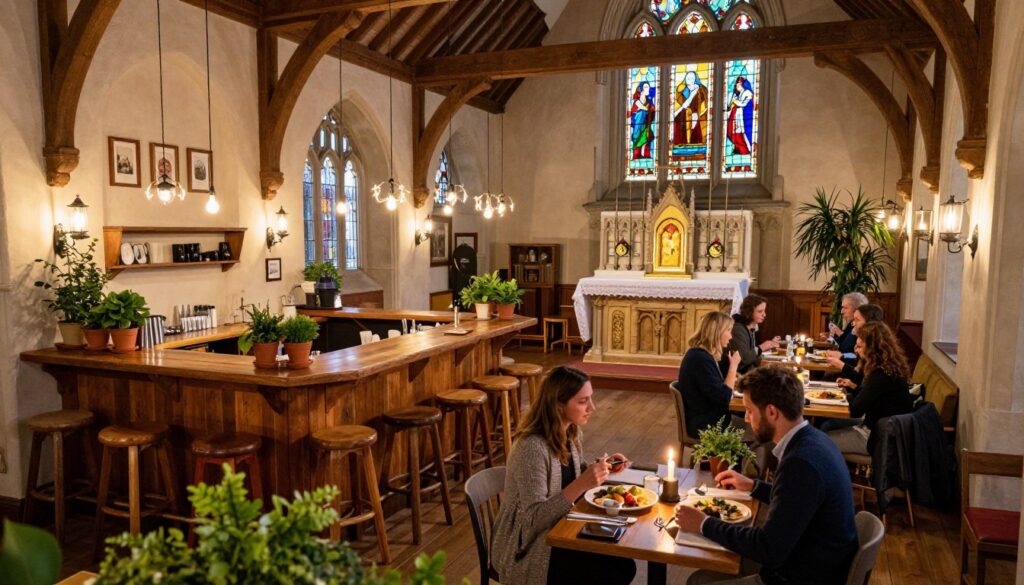
These places offer a special dining experience and share Boston’s story. They show the beauty of dining in unique settings, where every meal is an adventure.
Boston’s trend of turning holy places into restaurants is more than a trend. It celebrates the city’s history, culture, and food creativity.
The Architecture and Atmosphere That Makes These Venues Unforgettable
In Boston, old and new come together in church-turned-restaurants. These places keep their historical charm while becoming top spots for food lovers.
The buildings’ design is a big part of their charm. Soaring ceilings, stained glass windows, and detailed stonework take diners back in time. Even though pews are gone, the altar remains, now a key spot for the kitchen or bar.
Balancing Reverence and Revelry
These converted churches are special because they mix the sacred with the fun. They offer a unique dining experience that’s both fancy and laid-back.
Features that help achieve this mix include:
- Keeping original architectural details
- Adding modern dining features
- Turning old church spaces into dining areas or bars
For example, a former sanctuary might now host diners under the original stained glass. A side chapel could be a cozy spot for cocktails. This mix of old and new makes the place stand out.
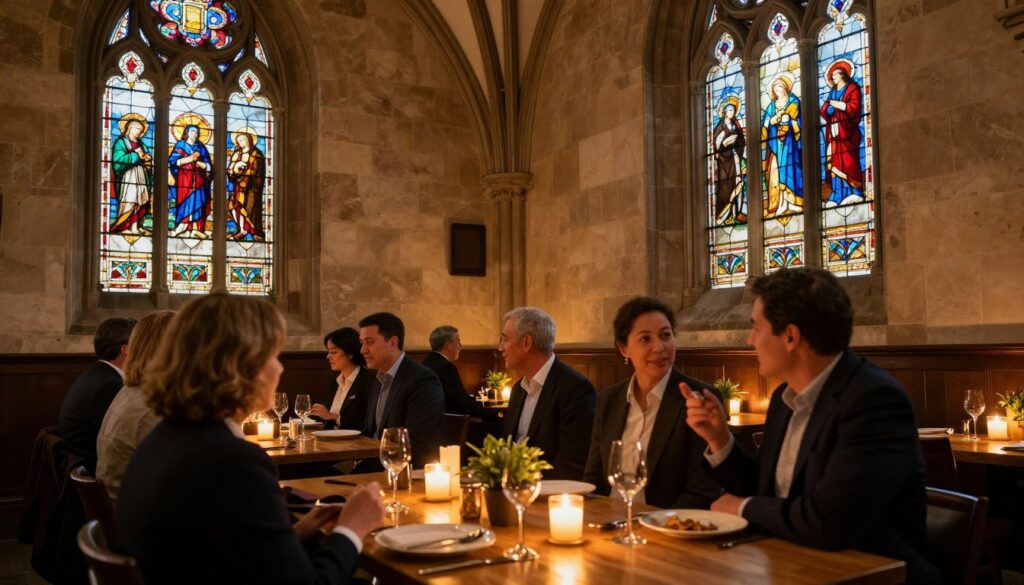
Visiting these Boston restaurants is like stepping into a world that’s both nostalgic and modern. They succeed by respecting history while welcoming today’s tastes. This makes them highlights in Boston’s food scene.
The Dining Experience: What to Expect at Boston’s Repurposed Churches
Dining in a repurposed church in Boston is a mix of the sacred and the savory. When you enter these historic venues, you’re not just going to a restaurant. You’re stepping into a part of Boston’s history.
These converted churches serve a variety of cuisines, from modern American to Italian. They also offer seasonal menus that reflect the freshest ingredients. The atmosphere is special, with high ceilings, stained glass windows, and sometimes original pews turned into cozy booths.
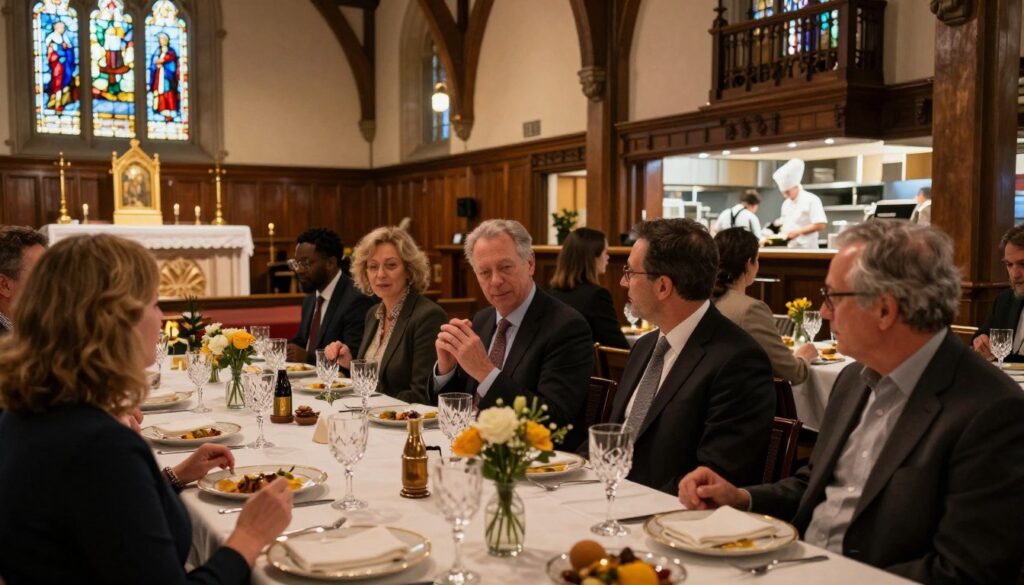
- Unique ambiance that blends historic charm with modern dining
- Diverse menu offerings that cater to various tastes and dietary preferences
- Exceptional service that combines warmth with professionalism
Private Dining in Former Sanctuaries
For special occasions or corporate events, many offer private dining in former sanctuaries or chapels. These spaces keep the reverence of their original use. They provide an intimate and exclusive setting for your event.
Private dining in these historic venues is more than just food. It’s an experience that combines elegance, history, and a touch of the divine. You can expect personalized service, customized menus, and an atmosphere that makes your event unforgettable.
Some of the benefits of private dining in a former sanctuary include:
- A unique and memorable setting for your event
- Customizable menus to suit your preferences
- Personalized service to ensure every detail is attended to
Planning Your Pilgrimage: Visiting Boston’s Historic Dining Venues
Boston’s historic dining spots mix the sacred with the savory, creating unforgettable moments. These places, once churches and historic buildings, are more than just restaurants. They open doors to the city’s deep history and culture.
Think about the location and feel of each spot. For example, Parish Cafe and Bar is right in Boston’s heart, easy to get to. Others might be in quieter spots, offering a cozy dining experience.
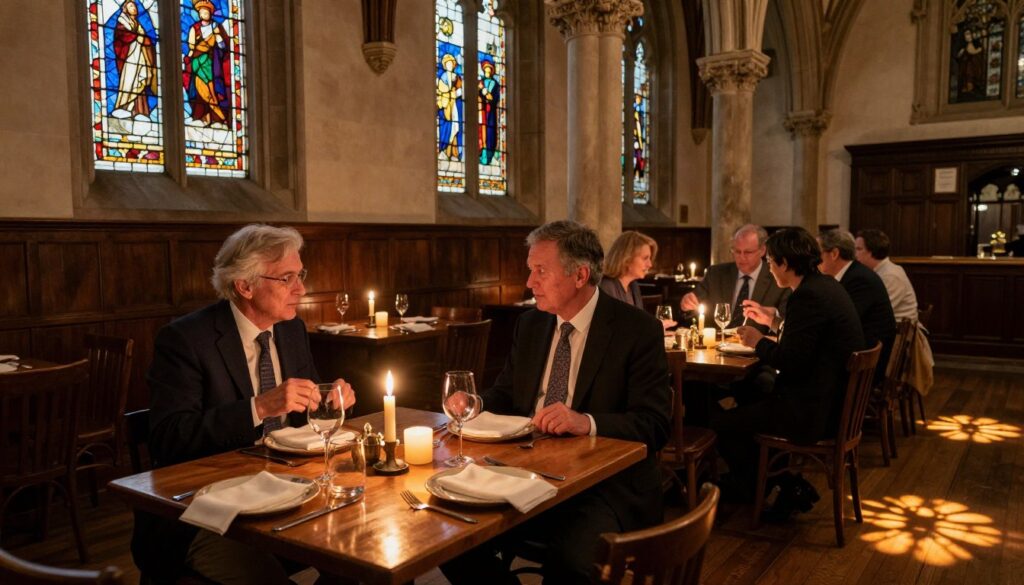
Exploring Boston’s dining scene is best done by visiting many historic spots in one trip. You can try different foods and vibes, like The Merchant‘s craft cocktails and other historic restaurants’ menus.
Begin by picking places that are near each other. Boston’s dining history is spread out, but many spots are near tourist areas. Start your tour in the evening for the best atmosphere.
- Identify your culinary interests: Are you looking for a specific type of cuisine or dining experience?
- Map out your tour: Choose venues that are close to each other to minimize travel time.
- Make reservations: Book ahead, as weekends and busy times can fill up fast.
Visiting several spots lets you enjoy Boston’s top restaurants and learn about its history and culture. Whether you love food, history, or just want a special meal, Boston’s historic dining venues have it all.
Conclusion
Boston’s converted church restaurants mix history, architecture, and great food. They let visitors see the city’s rich past in a new way. It’s a unique dining experience.
Places like Parish Cafe and Bar and The Merchant are key spots in Boston’s food scene. They offer a special vibe and top-notch meals. They’re a must-see for anyone exploring Boston’s food world.
Dining in these churches is more than eating. It’s a full experience that blends the sacred with the savory. Whether you love food, history, or just want something different, these restaurants will impress you.
As you plan your own pilgrimage to these extraordinary venues, I hope you savor every moment—the flavors, the history, the connection. It’s in these precious moments of gathering and gratitude that we realize just how meaningful life’s experiences truly are. I certainly do. In 2017, I was diagnosed with Parkinson’s Disease, a challenge I continue to navigate with resilience and hope.
To make a tangible difference in the fight for a cure, a portion of the proceeds from items purchased through any of my Amazon affiliate links or charitable links below will be donated to eradicating Parkinson’s. Thank you for being part of a community that turns simple acts like reading and shopping into powerful support for this cause.
So, plan a trip to these historic spots and dive into Boston’s food culture. With their amazing buildings, delicious food, and unique feel, these restaurants will become your go-to places to eat.
The article above contains affiliate links. If a purchase is made through these links, the author may receive a small commission.