
Imagine living in a place you can only reach by boat, plane, or hiking. Are there really places in the United States where you can’t drive in or out?
Remote American towns like these offer a glimpse into a simpler life. From Alaska’s rugged landscapes to Arizona’s deserts, isolated villages in USA are unique adventures for the bold.
Exploring these hidden US villages reveals both challenges and rewards of life without modern comforts. And when you’re ready for your next adventure, remember to check out Klook. You can save up to 60% on your next trip!
The Fascinating World of Hidden US Villages with No Roads
In the United States, there are villages hidden away from the world. They can only be found by those who dare to explore off the beaten path. These off-the-grid villages show us a world untouched by modern life. Here, the air is fresh, and the views are stunning.
The charm of these undiscovered American hamlets comes from their isolation. Living without roads brings its own set of challenges. People here use boats, planes, or trails to reach the outside world. This way of life builds a tight-knit community, where everyone works together to face their remote challenges.
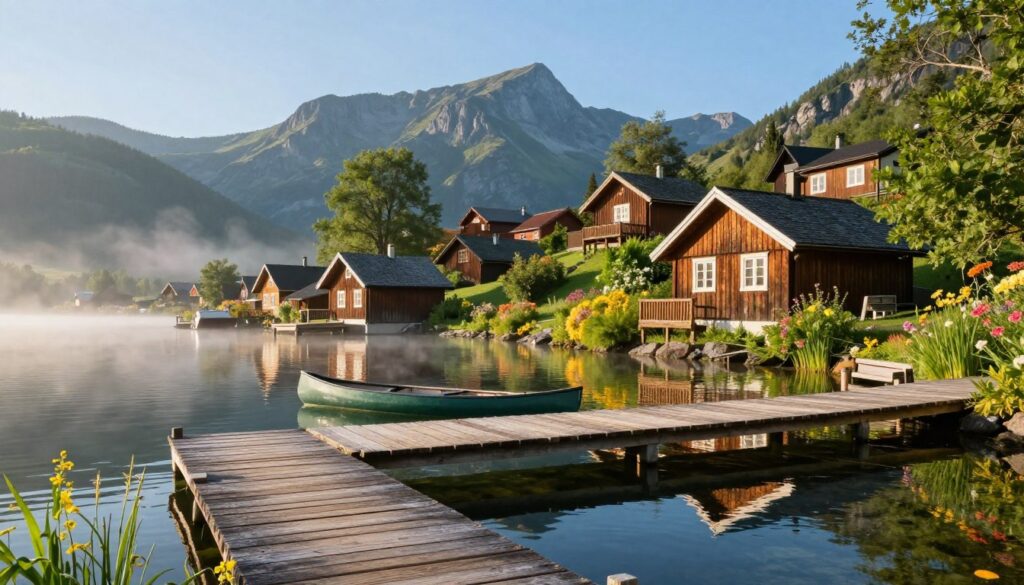
In Alaska, you’ll find villages surrounded by glaciers and fjords. Across the country, rugged terrain keeps others isolated. These villages are more than just pretty pictures; they are living, breathing communities with deep history and culture.
For those who love adventure and unique experiences, these villages are a dream come true. Whether it’s Alaska’s wild beauty or a Chesapeake Bay community’s history, each village has its own tale to share.
Supai, Arizona: The Village at the Bottom of the Grand Canyon
Supai, Arizona, is at the bottom of the Grand Canyon. It’s one of the most secluded rural communities with no roads in the US. This quiet American village has about 200 residents, living far from city life.
Daily life in Supai is simple and close to nature. People hike or ride horses to get around. Since there are no roads, mail comes by helicopter or on foot. Groceries arrive by horse-drawn wagon.
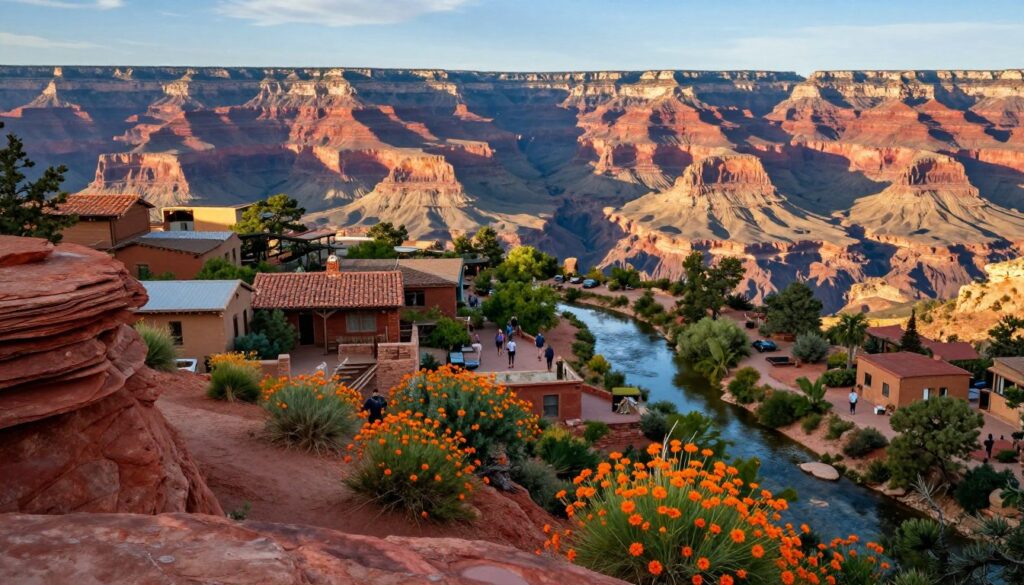
The village has a rich history and culture. It’s the capital of the Havasupai Indian Reservation. The Havasupai people have lived here for centuries, connected to nature.
Visitors can see a traditional Havasupai dance. They can also explore the natural beauty, like Havasu Falls.
Supai’s residents face some big challenges:
- Limited access to medical care and emergency services
- Restricted economic opportunities due to the village’s remote location
- The need to rely on traditional methods of transportation and communication
Despite these challenges, Supai is a vibrant community. Residents are proud of their heritage and way of life. Visitors come to see its natural beauty and experience a unique part of American culture.
Stehekin, Washington: Where Cars Fear to Tread
In Washington State, Stehekin is a special place untouched by cars. It’s a quiet retreat for those who love nature.
Stehekin’s car-free status makes it unique. It’s a place where you can hear nature and the water. You can hike, kayak, or just relax.
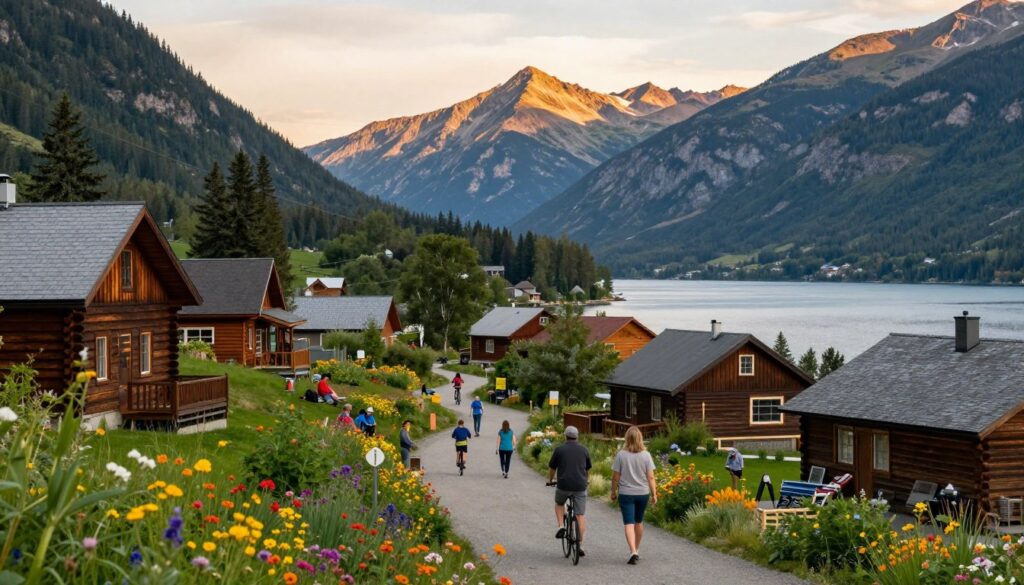
Stehekin lets visitors unplug and unwind. It’s peaceful, away from the noise of everyday life. You can walk to places to eat and stay, making it perfect for a calm break.
Keeping Stehekin car-free is hard, but they’ve found a way. It’s a chance to see life without modern society’s rush.
Stehekin values sustainability and community. It’s a lesson for other villages. If you want to slow down or see a different way of life, Stehekin is unforgettable.
Point Baker, Alaska: Fishing Village on the Edge of Nowhere
Point Baker is a small fishing village in Alaska. It’s a true example of remote American towns. The village’s economy mainly comes from fishing.
The village’s isolation is both a challenge and a charm. It offers a unique chance to live in one of America’s secluded US settlements. The vast wilderness around is perfect for outdoor activities like kayaking, fishing, and hiking.
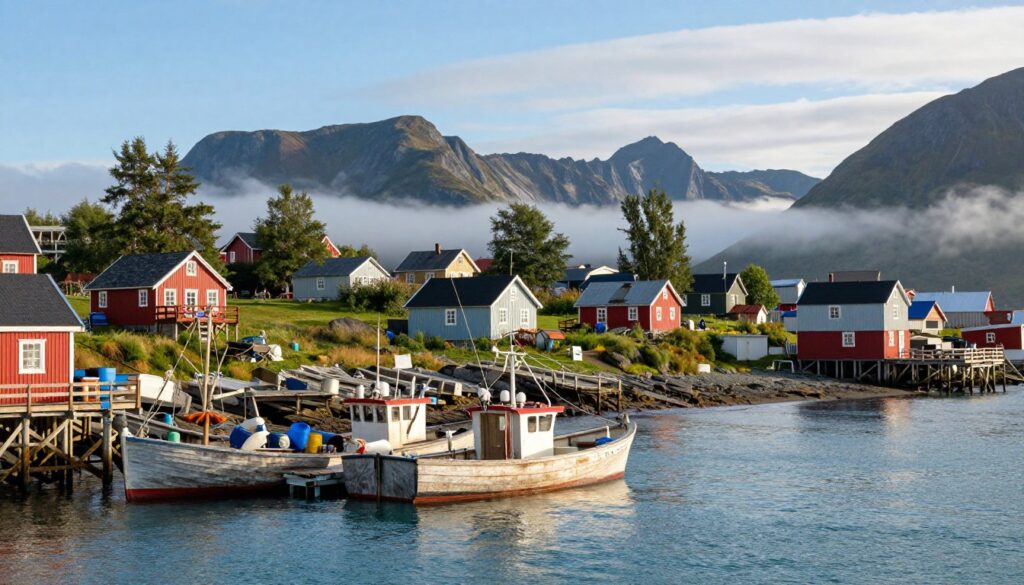
Point Baker’s fishing industry is doing well. It focuses on sustainable fishing to protect the marine ecosystem. The village’s location near rich fishing grounds is great for both commercial and recreational fishing.
The area around Point Baker is stunning. It has dense forests, rugged coastlines, and lots of wildlife. Visitors can see nearby islands and marine reserves. It’s a paradise for nature lovers and adventure seekers.
In short, Point Baker, Alaska, is a hidden treasure. It offers a unique experience of life in a remote Alaskan community. Its natural beauty, outdoor adventures, and strong community spirit make it a special place.
Halibut Cove, Alaska: An Artistic Haven Where Streets Are Made of Water
Halibut Cove, a hidden gem in Alaska, is a place where art meets nature. It’s a village for artists and those who love a peaceful life. Here, the streets are made of water.
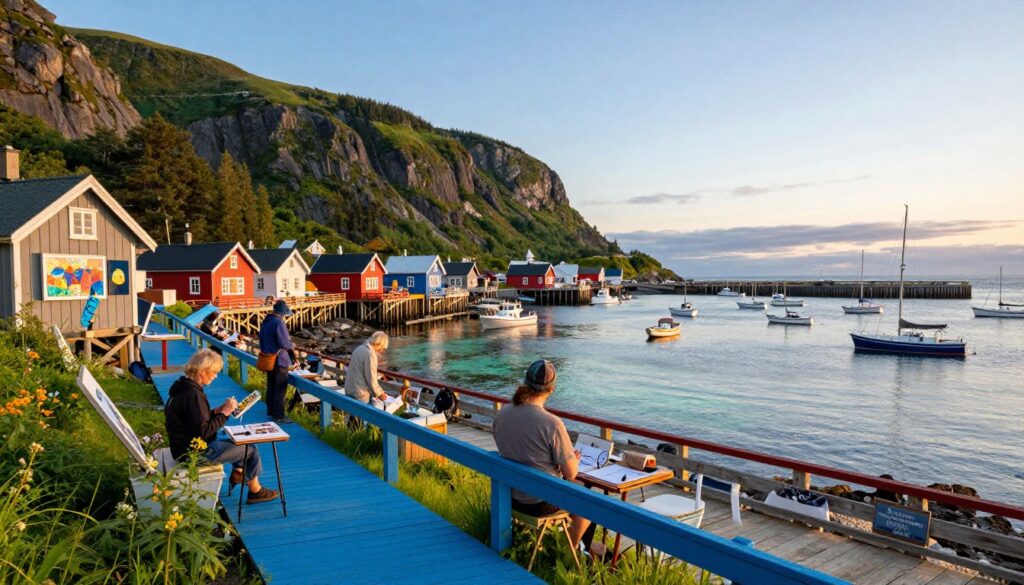
The village is special because of its floating homes and art galleries. These are connected to the sea. Many people make a living from fishing and other sea activities.
Artistic Expression in Halibut Cove
- The village is home to numerous art galleries showcasing local artists’ work.
- Residents often draw inspiration from the natural beauty surrounding them.
- The community hosts various cultural events celebrating its artistic heritage.
Halibut Cove is not isolated by its lack of roads. Instead, it has brought the community closer together. The village’s focus on water shows the creativity and adaptability of its people.
The blend of art and nature in Halibut Cove creates a truly unique experience. It’s a great example of a village living in harmony with its environment.
In conclusion, Halibut Cove is a remarkable artistic community. The water is not just a resource but a part of daily life and culture.
Tangier Island, Virginia: A Vanishing Chesapeake Bay Community
Tangier Island is a treasure in the Chesapeake Bay, facing environmental threats. This small island off Virginia’s coast is a rural community with no roads. Life here is simple but tough.
The island’s isolation has kept its culture alive, making it a quiet American village. But, this isolation brings big challenges. It limits access to healthcare, education, and jobs.
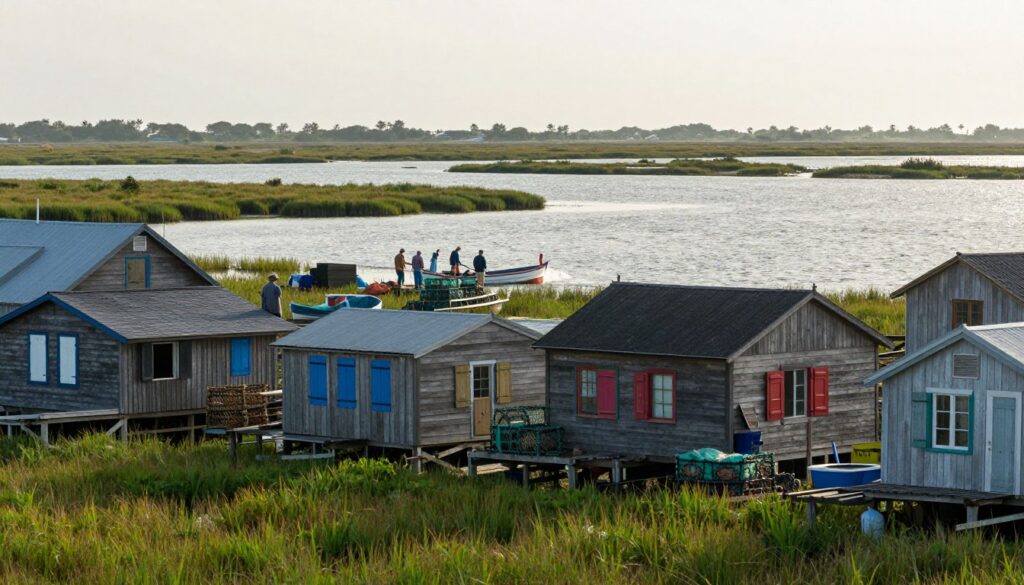
Tangier Island’s history goes back to the 17th century. Its culture is deeply tied to its watermen heritage. The community has always depended on fishing and crabbing for a living. But, these industries are declining, and climate change is making things worse.
There are efforts to save the island’s way of life. For example, the Tangier Island History Museum helps keep the island’s history and culture alive. It attracts visitors and supports the local economy.
The story of Tangier Island shows the struggles of rural communities with no roads. It highlights the need to protect their unique cultures.
Little Diomede, Alaska: Living on the Edge of America
Little Diomede, Alaska, is a testament to life’s beauty and harsh realities at America’s edge. This tiny island in the Bering Strait is home to a community that thrives in a remote and challenging environment.
The island’s unique location is close to Russia, with the International Date Line between it and Big Diomede. This has big cultural and historical meanings, making Little Diomede interesting in geopolitical terms.
Living on Little Diomede means being very self-sufficient and adaptable. Residents face harsh weather, limited supplies, and unique cultural and economic challenges. Yet, the community stays vibrant, focusing on traditional practices like hunting and whaling.
The island’s limited connectivity to the world means relying on seasonal supply ships and air transport. This isolation has made the community tight-knit, where everyone is crucial for survival and growth.
Little Diomede is more than a little-known US town; it’s a symbol of resilience and cultural heritage. As one of the USA’s most isolated villages, it offers a glimpse into a challenging yet rewarding way of life.
The Reality of Life in Villages with No Roads: Not Just a Picturesque Postcard
Living in hidden US villages without roads is more than just a unique feature. It’s a big part of daily life for those who call these places home. The lack of roads brings its own set of challenges, beyond the beautiful pictures often seen.
Getting around is tough without roads. People use boats, planes, or trails to get to places like grocery stores and hospitals. For example, in Supai, Arizona, supplies come in by helicopter or on foot. This makes simple tasks hard to do.
- Reliance on boats for transportation and supply
- Use of airplanes for emergency services and supply
- Hiking trails as the primary means of accessing some villages
The local economy also feels the pinch. Without roads, it’s hard to attract tourists and run businesses. But, some places have found a way to thrive by focusing on eco-friendly tourism.
“The isolation has its challenges, but it’s also what makes our community so special. We’ve learned to be self-sufficient and appreciate the simple things.” – Resident of a remote Alaskan village
The resilience of residents in these remote American towns is truly inspiring. Despite the hurdles, many love their unique lifestyle and tight-knit community.
In summary, life in villages without roads is filled with both obstacles and special chances. Learning about these experiences helps us appreciate the complexities of living in hidden US villages.
Planning Your Visit to America’s Most Remote Settlements
Visiting America’s most secluded US settlements needs careful planning. These off-the-grid villages are hard to get to because they’re not on roads.
Think about how you’ll get there. Some places can only be reached by boat. Others need a hike or a flight. It’s important to find the best way to travel early.
Respecting local cultures is key when you visit. Know the local customs and traditions. Be ready to slow down and enjoy the simple life. Since there are few places to stay, book early.
Things to do vary from hiking and fishing to checking out local art. Traveling to these places can be tough, with few comforts and rough weather. But it’s worth it.
With good planning and respect for the locals, your trip will be memorable. These places show you untouched nature and rich culture.
Save Up to 60% on Your Adventure to Remote Villages with Klook
Start an unforgettable journey to America’s undiscovered hamlets with Klook’s special deals. Klook makes it easy and affordable to explore rural communities with no roads.
Save up to 60% with Klook. Whether you’re hiking in Supai, Arizona, or floating in Stehekin, Washington, Klook has you covered. Their platform lets you find travel experiences that match your budget and likes.
Don’t let the distance scare you; with Klook, starting is just a click away. Check out the offers on their website and plan your trip today.
Booking with Klook has many benefits:
- Up to 60% off on travel experiences
- A wide range of travel services
- Convenient and user-friendly platform
Don’t miss this chance to see America’s secluded villages. Visit Klook’s website now and save on your next adventure.
Conclusion: The Timeless Appeal of America’s Road-Free Communities
The quiet American villages and little-known US towns offer a unique glimpse into life away from modern society’s hustle. Places like Supai, Arizona, at the Grand Canyon’s bottom and Little Diomede, Alaska, show America’s cultural and natural richness.
These villages, despite their isolation, attract visitors and adventurers. They promise pristine wilderness, local culture, and a break from the usual. These road-free communities have something special for everyone.
Reflecting on these villages, it’s clear they’re vital to America’s heritage. By visiting and supporting them, we help keep these places alive for future generations.